
Termite Prevention in Alabama: 7 Local Secrets the National Companies Won't Tell You
- Stephen Darnell
- Dec 1, 2025
- 5 min read

Let me tell you something I've learned after years of fighting termites across Alabama: those big national pest control companies come in here thinking they know our state, but they're missing some crucial local knowledge that can make or break your termite prevention strategy.
I've seen too many homeowners in Birmingham, Jasper, and Gardendale get burned by cookie-cutter approaches that work fine in Colorado but fail miserably in our humid, termite-friendly climate. Here's the deal: Alabama presents unique challenges that require local expertise, and I'm about to share the insider knowledge that'll keep these destructive pests away from your home.
Secret #1: Understanding Alabama's Clay Soil Advantage (And How to Use It)
Here's something the national guys don't realize: Alabama's clay soil can actually work in your favor if you know how to leverage it. Our dense clay doesn't drain well, which creates moisture problems, but it also makes it harder for subterranean termites to build their highway systems.
The trick? Create a moisture barrier using our soil type. I always tell my clients to grade their property so water flows away from the foundation, then use that clay density to your advantage by treating the soil perimeter with liquid termiticides. The clay holds the treatment longer than sandy soils, giving you extended protection.
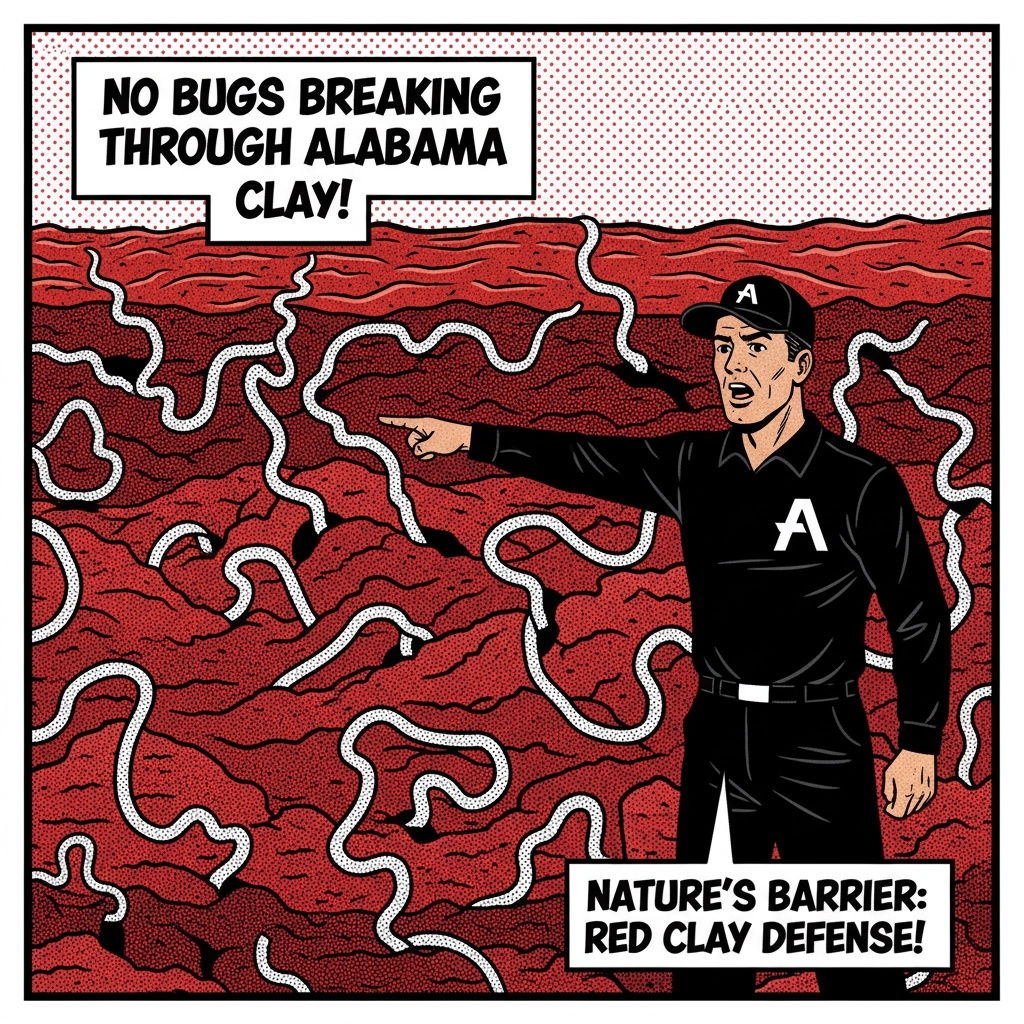
National companies often underestimate treatment amounts needed for our clay, but when done right, you get superior long-lasting protection that sandy-soil states can't achieve.
Secret #2: Timing Your Inspections with Alabama's Termite Seasons
Let's get into the nitty-gritty of when termites are most active in our state. I've noticed that national companies stick to generic quarterly schedules, but Alabama termites don't follow their corporate calendar.
Here's what I've learned works better: Schedule your main inspection in late February or early March, right before our termite swarming season kicks into high gear. Our subterranean termites start getting active when soil temperatures hit about 70°F, which happens earlier here than up north.
Then do a follow-up check in late October when they're preparing for winter. This timing catches problems before they become major infestations and aligns with our actual termite behavior patterns.
Secret #3: The Alabama Moisture Control Method
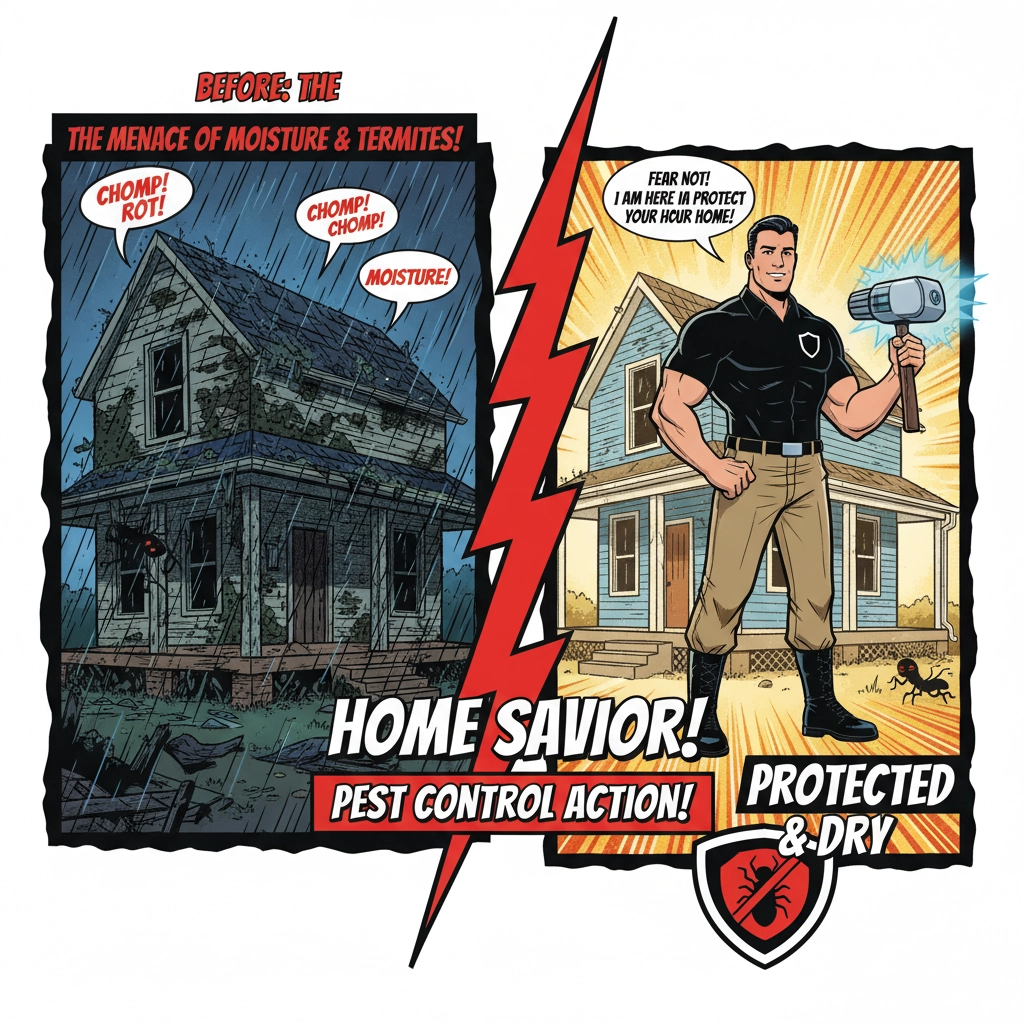
Every pest control company talks about moisture control, but they don't understand how relentless Alabama humidity really is. I tell my customers: you're not just fighting occasional dampness: you're battling a year-round moisture siege.
Here's my local approach that works:
Fix any leaky pipes or roofs immediately: in our climate, even small leaks create termite magnets within weeks
Use dehumidifiers in basements and crawl spaces from April through October
Clear those clogged gutters before summer storms hit
Eliminate standing water in birdbaths and planters religiously
The key difference? In dryer climates, you might get away with minor moisture issues. In Alabama, any water source becomes a termite attraction within days, not months.
Secret #4: Strategic Wood Storage for Alabama Homes
National companies give you generic advice like "store wood away from your house." That's not specific enough for Alabama homeowners. Let me walk you through the local method that actually works.
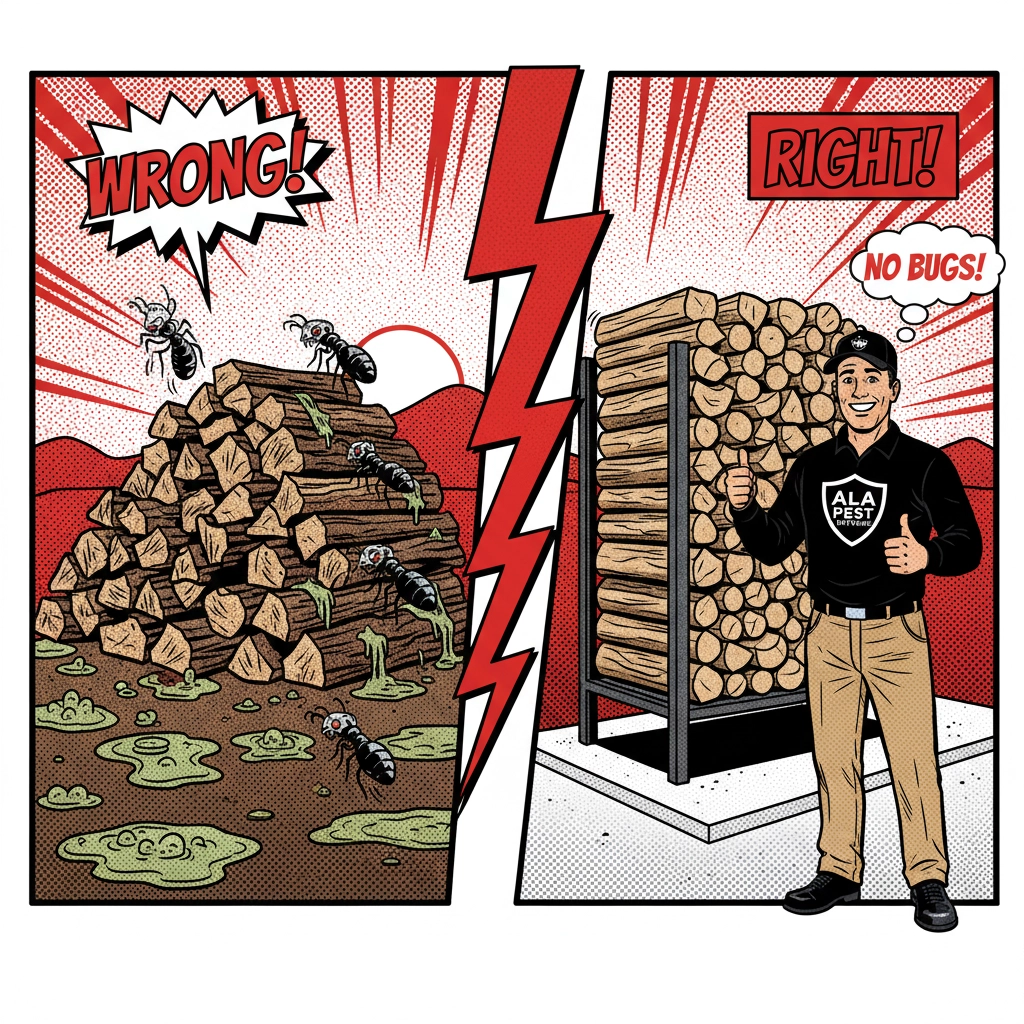
Store firewood at least 20 feet from your home: but here's the Alabama twist: elevate it off the ground using concrete blocks or metal racks. Our humidity will create moisture contact even with ground barriers, so you need airflow underneath.
Remove all tree stumps and fallen logs from your property completely. Don't just move them: our warm climate turns any dead wood into a termite breeding ground faster than northern states. I've seen homeowners think they're safe with a decorative log pile in the back yard, only to find it's feeding a massive termite colony.
Secret #5: The Right Mulch Choices for Alabama Gardens
Here's where I see the biggest mistakes from out-of-state advice. Generic pest control companies recommend "keeping mulch away from foundations," but they don't tell you which mulches work best in our specific climate.
In Alabama, avoid regular wood mulch entirely near your home. Our humidity keeps it constantly moist, creating termite heaven. Instead, use:
Cedar mulch, which termites naturally avoid
Gravel or stone mulch for areas within 3 feet of your foundation
Pine straw, but only if you can keep it dry and replace it regularly
I always tell customers in Gardendale and Jasper that beautiful landscaping isn't worth a termite infestation. Choose your ground cover wisely.
Secret #6: Borate Treatment Timing and Application
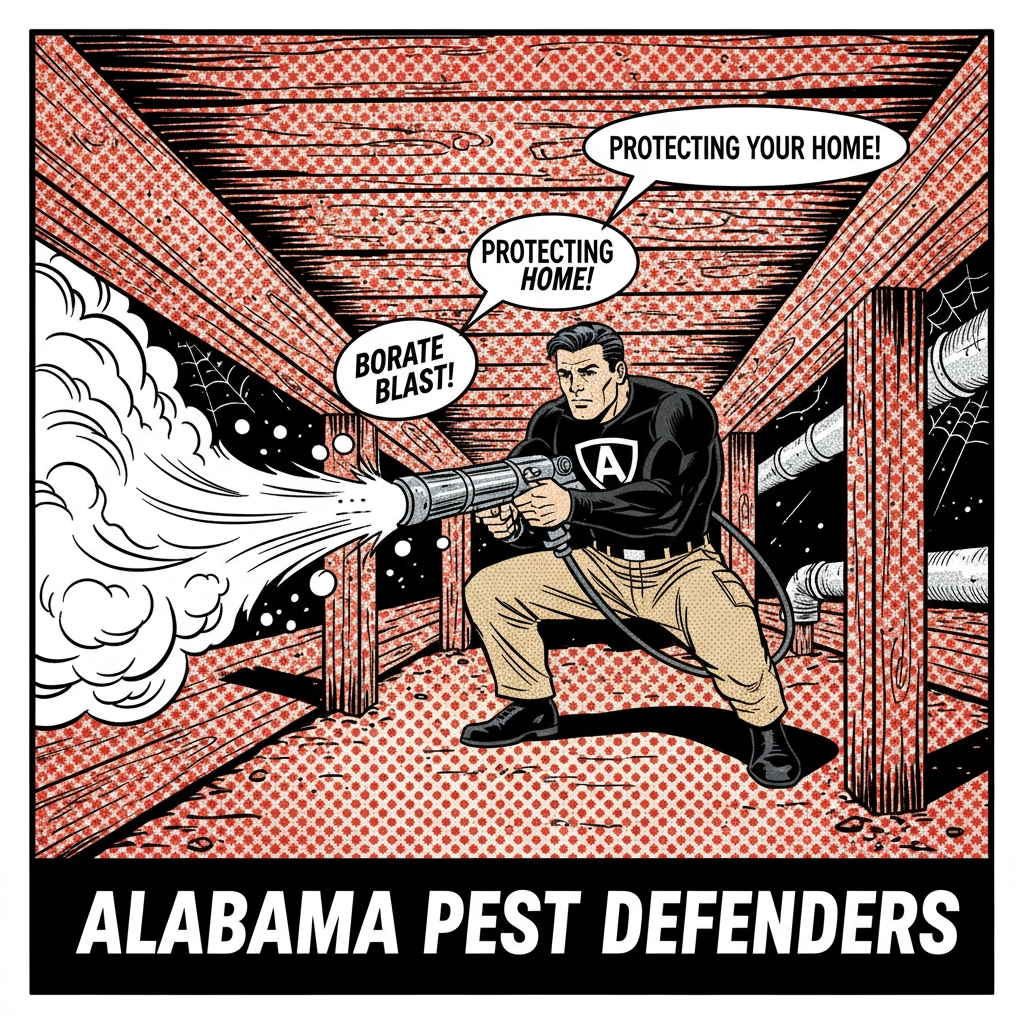
Most companies mention borate treatments, but they don't understand how Alabama's building practices affect application. Here's what I've learned about using borates effectively in our state.
The best time for borate application is during construction or major renovations, obviously, but here's the local secret: you can also apply borates to exposed wood in crawl spaces and basements during our dry season (typically December through February).
Our humidity affects borate penetration, so treatments applied during wet months don't absorb as deeply. I schedule these treatments when humidity drops below 60% for several consecutive days: something the national companies never consider.
For existing homes, focus borate treatment on:
Exposed foundation sills
Floor joists in crawl spaces
Any untreated lumber additions
Secret #7: When to Call Professionals vs. Going DIY
Here's the truth that big companies won't tell you: some Alabama termite problems require local expertise that no amount of YouTube videos can replace. I've seen homeowners waste thousands on DIY solutions that would've been prevented with a $200 professional assessment.
Call professionals immediately if you see:
Mud tubes anywhere on your foundation
Swarmers inside your home (not just outside)
Soft or hollow-sounding wood near foundations
Tiny holes in wood with small piles of sawdust
But here's what you can handle yourself: routine moisture control, proper wood storage, and basic landscaping adjustments. The key is knowing when you're in over your head.
At Pest X, we've developed our Healthy Home Premium Plan specifically for Alabama conditions: termite control, pest control, and mosquito control all bundled together for $117/month. This comprehensive approach recognizes that our state's climate creates multiple pest challenges that work together.
Taking Action Against Alabama Termites
I've walked you through the local knowledge that makes the difference between success and failure in Alabama termite prevention. The national companies use one-size-fits-all approaches, but our state demands strategies built around our specific climate, soil, and termite behaviors.
Don't wait until you see damage: Alabama termites work fast in our year-round growing season. Start with moisture control and proper wood storage this week, then schedule a professional assessment to catch problems before they become expensive disasters.
Ready to protect your Alabama home with strategies that actually work in our climate? Contact us at Pest X for a comprehensive termite assessment. We understand Alabama termites because we've been fighting them locally for years, not managing them from some corporate office in another state.
Your home deserves protection designed for Alabama conditions( let's make sure you get it.)
Comments