
Rodent Control Jasper AL: The 3-Step Strategy to Stop Mice & Prevent House Fires
- Stephen Darnell
- Feb 9
- 6 min read

Here's something most homeowners don't realize until it's too late: that scratching sound in your attic isn't just annoying: it's a legitimate fire hazard. I've seen firsthand what happens when mice decide your electrical wiring looks like a convenient chew toy, and let me tell you, the results can be devastating.
Last winter, I got a call from a family in Jasper who'd been ignoring the telltale signs for months. Droppings in the pantry. Scratching noises at night. Small holes chewed through food packaging. They figured it was "just a mouse or two" and kept pushing it off. Then one evening, they smelled burning plastic. Turns out, rodents had chewed through wiring in their walls, and they were minutes away from a house fire.
That's when most people finally understand: rodent control isn't about being squeamish or tidy. It's about protecting your biggest investment and keeping your family safe.
Why Rodents Are More Dangerous Than You Think
Let me walk you through what actually happens when mice or rats move into your home. These aren't just pests that raid your pantry: they're destructive little machines with teeth that never stop growing. To keep those teeth filed down, rodents chew constantly. And unfortunately, they don't discriminate between wood, plastic, insulation, or electrical wiring.

The National Fire Protection Association estimates that rodents cause up to 25% of unexplained house fires in the United States. Think about that for a second. One in four mystery fires could be traced back to mice chewing through electrical wires, creating sparks in areas filled with nesting material (which is basically kindling).
Here in Walker County, where many homes have crawl spaces and attics with easy access points, we're particularly vulnerable. I've worked with families in Jasper, Cordova, Sumiton, and Dora who had no idea they were living above a rodent highway until the damage was already done.
Beyond the fire risk, rodents carry diseases, contaminate food sources, and reproduce at alarming rates. A single female mouse can have 5-10 litters per year, with 5-6 babies per litter. Do the math: that "one mouse" becomes a colony in weeks, not months.
The 3-Step Total Protection Process
Here's the deal: most homeowners think setting a few traps will solve the problem. It won't. Rodent control requires a systematic approach that addresses the root cause, not just the symptoms. That's why we developed our 3-Step Total Protection Process at Pest X.
Step 1: Thorough Inspection
I always start with a comprehensive inspection because you can't solve a problem you don't fully understand. During this phase, I'm looking for:
Entry points - Mice can squeeze through openings as small as a dime. I check foundation cracks, gaps around utility lines, damaged weatherstripping, and roof vents.
Activity evidence - Fresh droppings, gnaw marks, grease trails along baseboards, and nesting materials tell me where the rodents are traveling and living.
Attractants - What's drawing them in? Food sources, water access, and shelter opportunities all factor into the equation.
Damage assessment - I inspect attics, crawl spaces, and wall voids for chewed wiring, damaged insulation, and structural concerns.
This inspection isn't a quick walkthrough. I'm getting into your attic, checking your crawl space, and examining the exterior perimeter. It typically takes 45-60 minutes because I need to understand the full scope of the infestation.
Step 2: Strategic Treatment
Once I know what we're dealing with, we move to active treatment. This is where we physically remove the rodents that are already inside your home.
I need to be clear about something: I never use poison for interior rodent control. Here's why: when rodents eat poison, they don't politely walk outside to die. They crawl into your walls, under your insulation, or into inaccessible areas where they decompose. The smell is horrendous and can last for weeks.
Instead, we use strategic trapping methods:
Snap traps in high-activity areas identified during inspection
Multi-catch traps for larger infestations
Secured bait stations in exterior locations to catch rodents before they enter

We check and reset traps during follow-up visits until activity stops completely. This phase usually takes 2-4 weeks depending on the severity of the infestation. Our Healthy Home Plan starting at $39/month includes regular monitoring to ensure we're staying ahead of any new activity.
Step 3: Exclusion (The Game-Changer)
Here's where we separate temporary fixes from permanent solutions. Exclusion is the process of sealing every possible entry point so new rodents can't get in. Without this step, you're just playing whack-a-mole with mice: and they'll always win.
Exclusion work includes:
Sealing foundation cracks with industrial-grade materials
Installing door sweeps and weatherstripping
Screening crawl space vents with steel mesh (rodents can't chew through it)
Closing gaps around utility penetrations
Repairing damaged roof vents and soffit areas
Installing exclusion barriers in attic access points
This is skilled work that requires the right materials and expertise. I've seen too many DIY attempts using spray foam or hardware store materials that rodents chew through in days. Professional exclusion uses steel wool, copper mesh, and cement-based sealants that actually stop rodents permanently.
Because exclusion is customized to each home's specific vulnerabilities, we price it separately after the initial inspection. Most exclusion projects for typical Jasper-area homes range from $300-$800 depending on the number and accessibility of entry points. But here's the truth: it's worth every penny because it's the only way to solve the problem long-term.
Local Rodent Patterns in Walker County
Living in North Alabama, we deal with specific rodent behavior patterns based on our climate and housing styles. I've noticed consistent trends across Jasper, Walker County, Winston County, and Jefferson County:
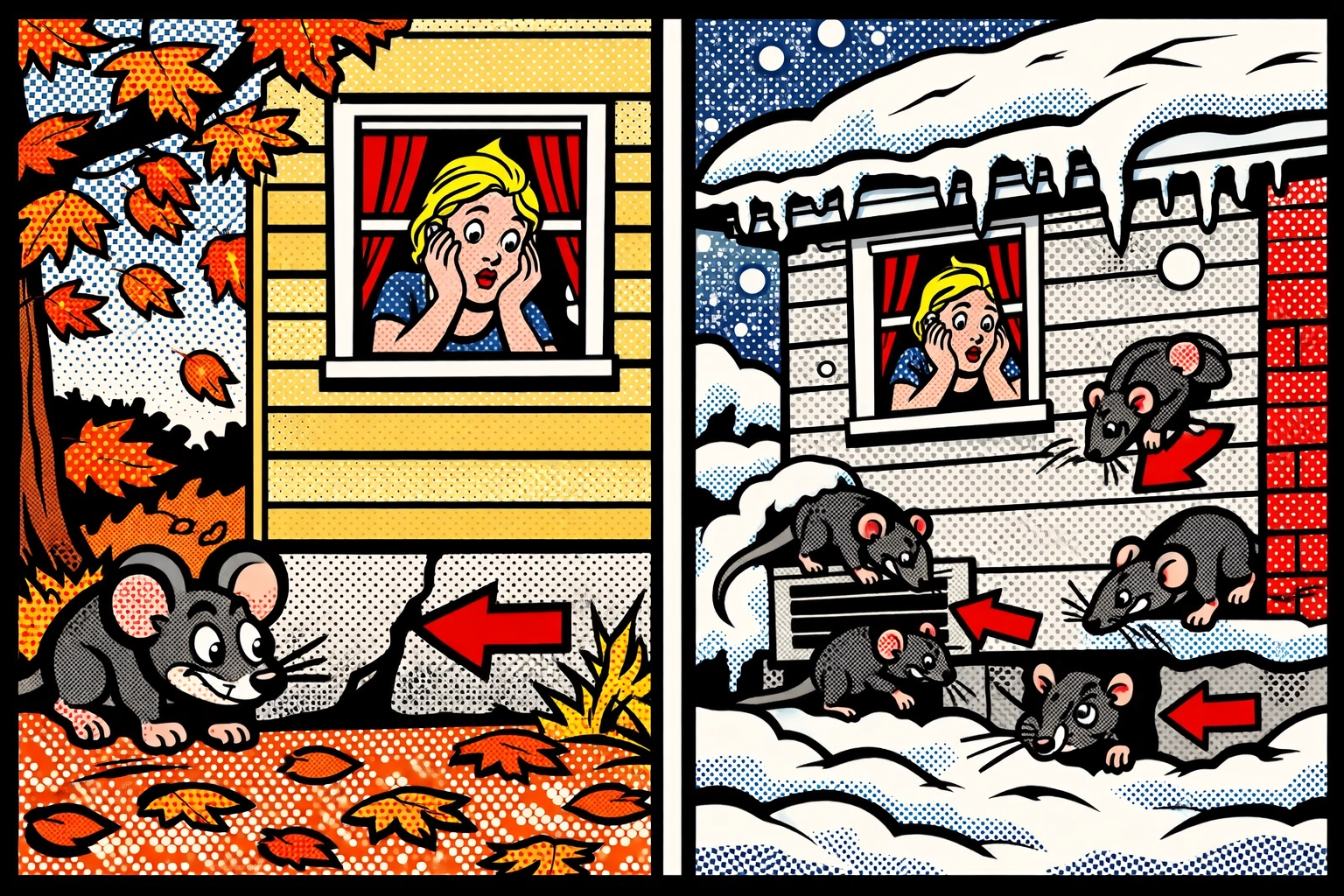
Fall and Winter Invasions - When temperatures drop in October and November, rodent pressure increases dramatically. Mice are looking for warm shelter and food sources before winter sets in. If your home has vulnerabilities, this is when they'll find them.
Older Homes and Crawl Spaces - Many homes in our area were built before modern construction standards. Foundation vents, crawl space access, and aging weatherstripping create easy entry opportunities. I've worked on beautiful historic homes in Jasper that needed comprehensive exclusion work simply because they were built in an era when rodent prevention wasn't a priority.
Rural and Suburban Properties - If you back up to wooded areas or have outbuildings on your property, you're at higher risk. Rodents use these areas as staging grounds before moving into the main house.
What the Healthy Home Plan Includes
Let me break down how our ongoing protection works. The Healthy Home Plan starts at $39/month and includes:
Quarterly pest control treatments
Rodent monitoring and trapping as needed
Interior and exterior treatment
Coverage for 30+ common pests including mice, rats, roaches, spiders, and ants
Free re-service between regular visits if you see any pest activity
For comprehensive coverage, our Healthy Home Premium Plan at $117/month bundles termite control, pest control, and mosquito control all together: giving you complete protection year-round.
The exclusion work is quoted separately because every home is different, but once those entry points are sealed and you're on a regular monitoring plan, rodent problems become a thing of the past.
Signs You Need Professional Rodent Control Now
Don't wait until you smell smoke or find damaged wiring. Call us immediately if you notice:
Droppings in cabinets, pantries, or along baseboards (they look like dark grains of rice)
Scratching, scurrying, or squeaking sounds in walls, ceilings, or attics: especially at night
Gnaw marks on food packaging, baseboards, or wiring
Greasy rub marks along walls where rodents travel repeatedly
Nests made from shredded paper, insulation, or fabric
A musky, ammonia-like odor in enclosed spaces
Visible holes or gaps in your home's exterior
I can't stress this enough: the longer you wait, the more expensive and complicated the problem becomes. What starts as one mouse can become a full-blown infestation in weeks, and the damage compounds daily.
Why Natural Remedies Don't Work
Based on years of experience, I need to be direct: natural pest control methods like peppermint oil, ultrasonic devices, and home remedies are ineffective against real rodent infestations. These might sound appealing, but rodents adapt quickly, and these methods don't address the actual problem: access points and food sources.
Professional pest control is the necessary and effective approach for real results. We use proven methods, professional-grade materials, and systematic processes that actually eliminate rodents and prevent their return.
Ready to Protect Your Home?
If you're hearing scratching sounds, finding droppings, or just want peace of mind that your home is protected, I'm here to help. We serve homeowners throughout Jasper, Walker County, Winston County, and Jefferson County with the same family-owned service and attention to detail that's earned us hundreds of five-star reviews.
Our rodent control services start with that comprehensive inspection I mentioned: because understanding the problem is the first step to solving it permanently. From there, we'll walk you through the treatment and exclusion process with transparent pricing and no surprises.
Don't let rodents put your family at risk. Contact Pest X today to schedule your inspection and get started on permanent rodent protection. The peace of mind is worth it; and your home's wiring will thank you.
Comments