
New EPA-Approved Pest Control: Is It Really Safe for Alabama Kids and Pets? Here's What Experts Say
- Stephen Darnell
- Dec 11, 2025
- 5 min read

As a parent in Alabama, I get it: you want to protect your family from pests, but you're worried about exposing your kids and pets to harsh chemicals. I've had countless conversations with Birmingham and Jasper families who feel caught between dealing with roaches, ants, or mosquitoes and keeping their loved ones safe.
Let me walk you through what EPA approval actually means and why it matters for your family's safety. After working with thousands of Alabama families, I've learned that the right information can turn a stressful decision into a confident choice.
What Does EPA Approval Really Mean for Your Family?
Here's the deal: EPA approval isn't just a rubber stamp. The Environmental Protection Agency puts pest control products through rigorous testing before they ever reach your home. I've seen the process firsthand, and it's designed specifically to protect families like yours.
When the EPA approves a pest control product, they've evaluated:
How it affects children's developing nervous systems
Pet safety at various exposure levels
Environmental breakdown and residue concerns
Proper application methods to minimize risk
The key difference between EPA-approved treatments and older methods is that modern formulations are designed to target pests while being gentler on mammals. That means they're specifically engineered to be less harmful to your kids and pets.
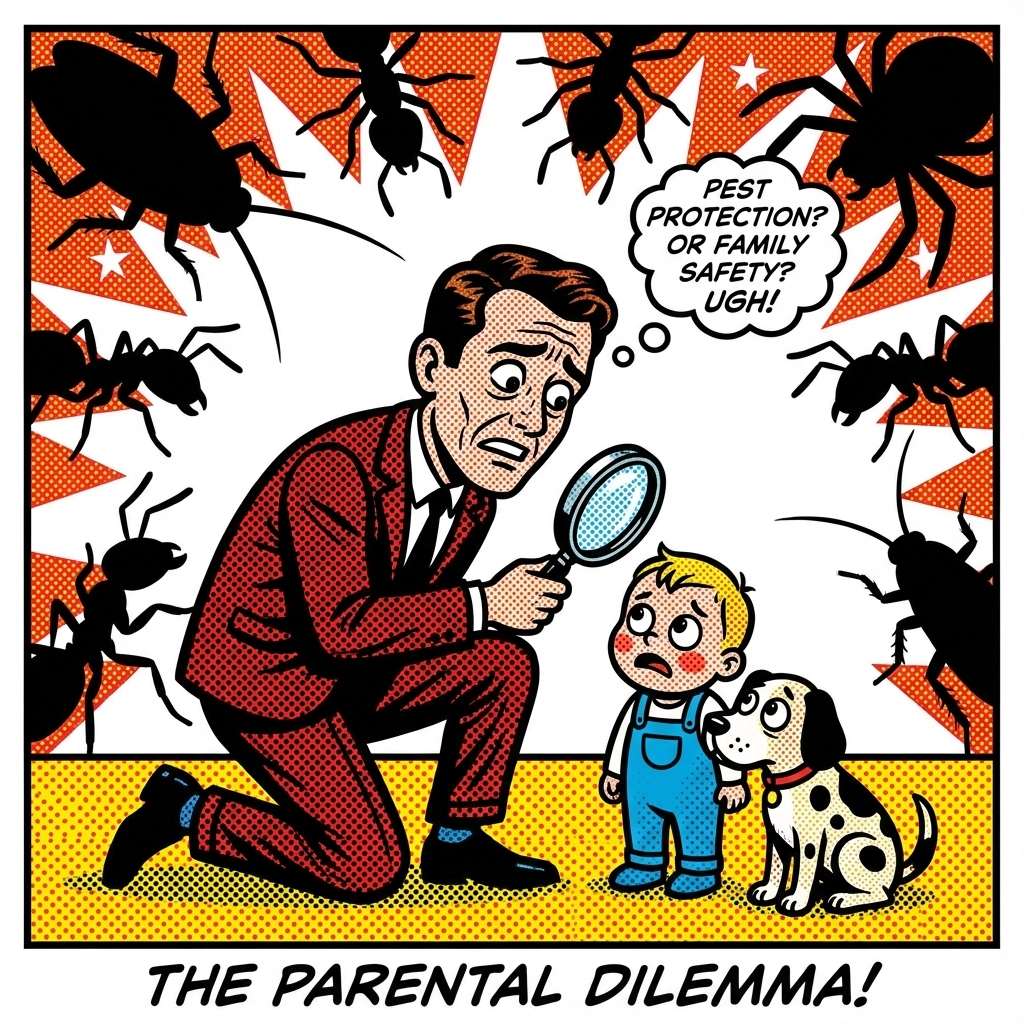
The Science Behind Family-Safe Pest Control
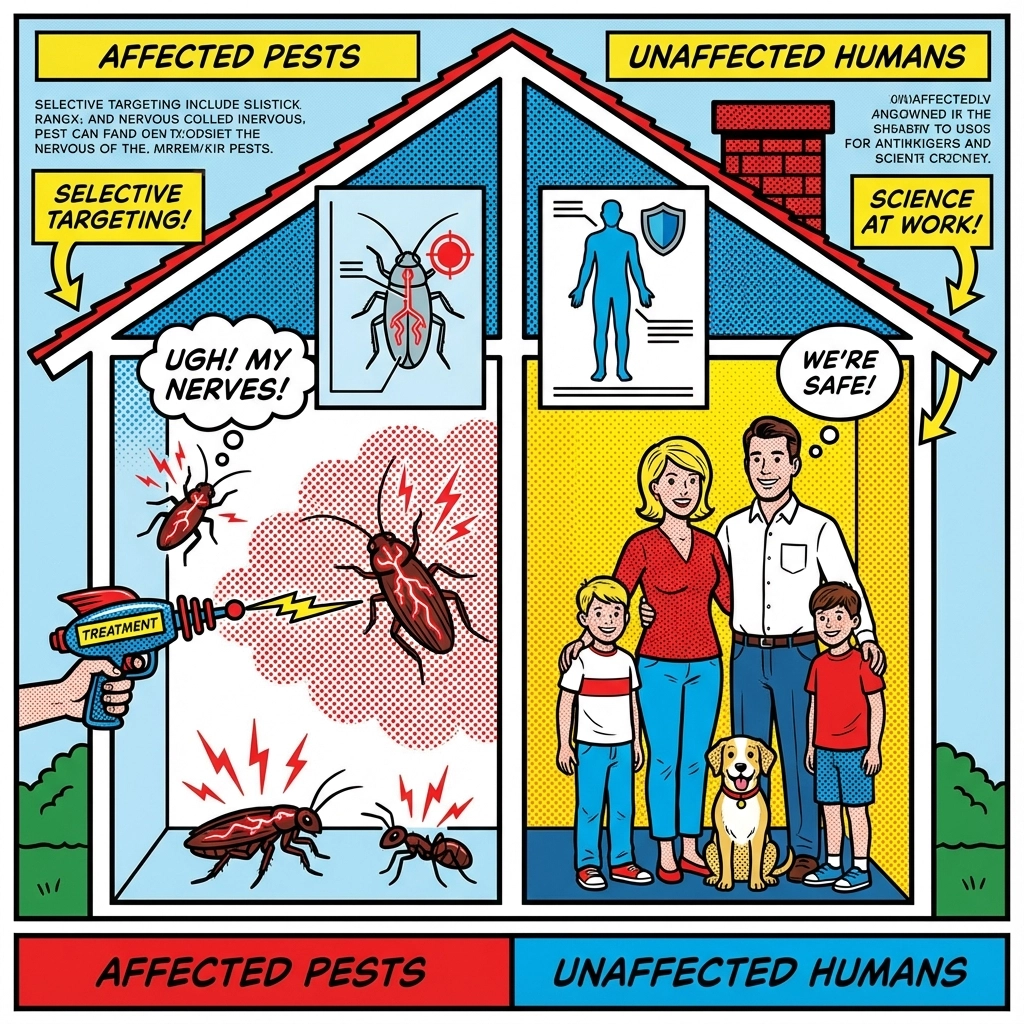
Let me get into the nitty-gritty of what makes these new treatments different. EPA-approved products used by professional services like Pest X work by targeting specific biological pathways that exist in insects but not in mammals.
For example, many modern treatments affect insect nerve receptors that simply don't exist in your dog or cat. It's like having a key that only works on insect locks: your family's "locks" are completely different.
These products also break down naturally in the environment. Instead of persisting for months like older chemicals, many EPA-approved treatments degrade within days or weeks when exposed to sunlight, air, and moisture.
Professional Application Makes All the Difference
I can't stress this enough: how the treatment is applied matters just as much as what's being applied. When I visit families in Gardendale or Walker County, I see the difference between DIY attempts and professional application.
Professional technicians know:
Exactly where to place treatments for maximum pest impact
How much product to use (spoiler: it's usually less than you'd think)
Which areas to avoid in homes with children and pets
Timing applications when family exposure is minimized
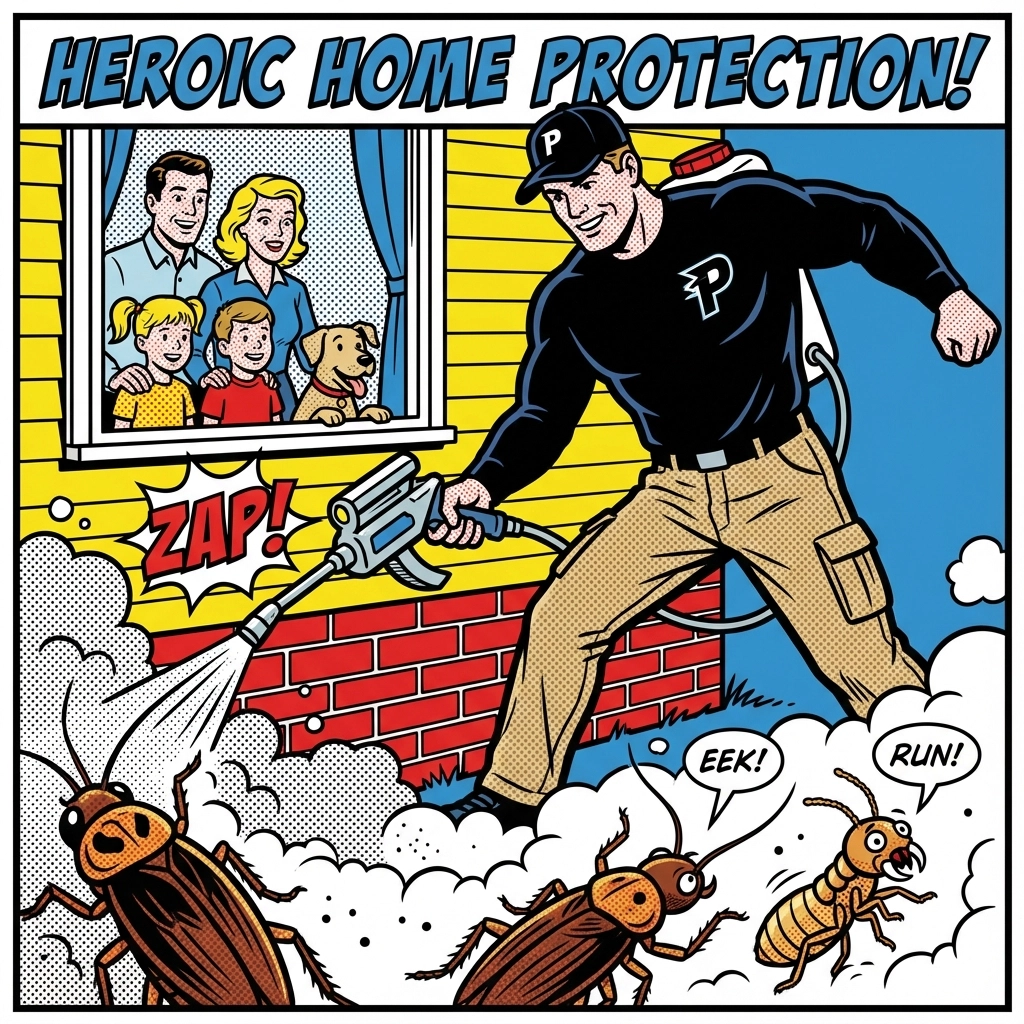
At Pest X, our technicians are trained to think like parents first. We use EPA-approved products strategically: targeting pest entry points and hiding spots rather than spraying everything in sight.
Alabama-Specific Safety Considerations
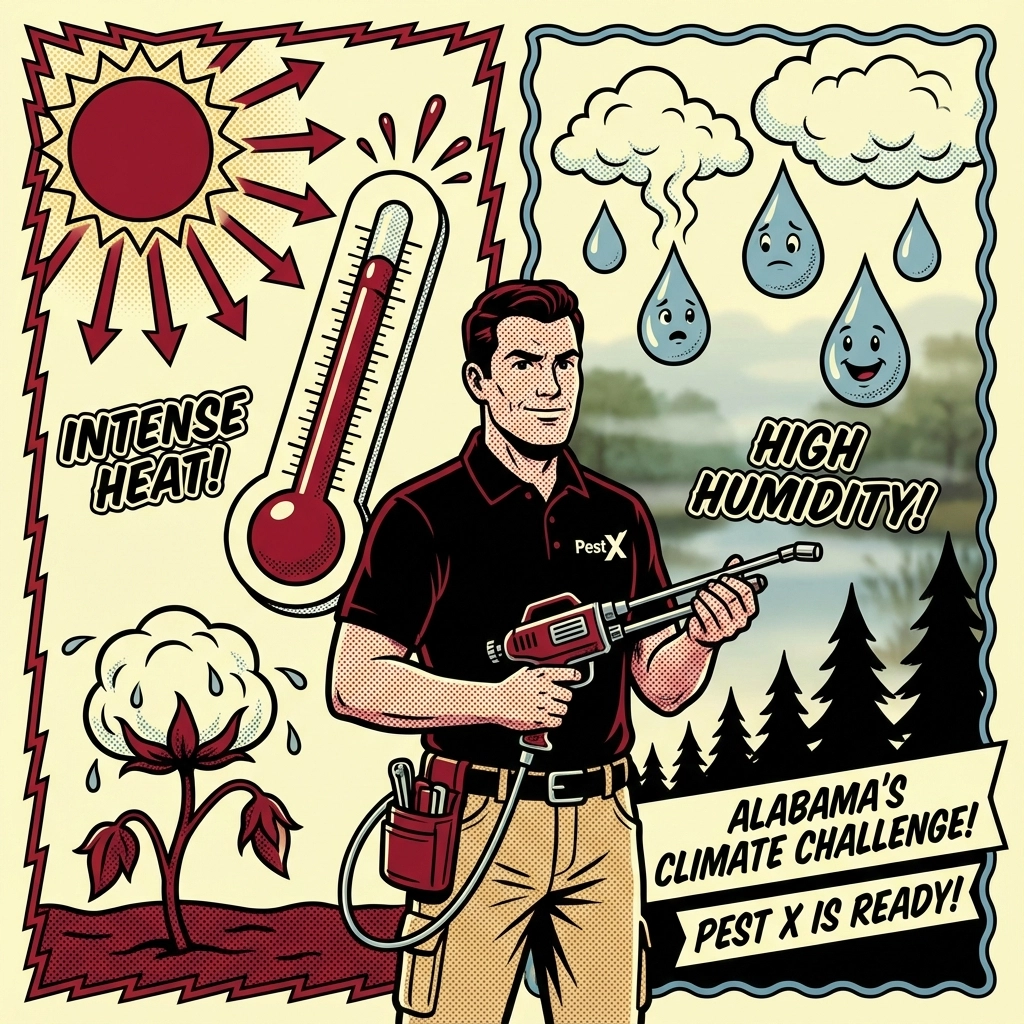
Living in Alabama presents unique challenges that affect safety considerations. Our humid climate means treatments can behave differently than in drier states. I've learned that this actually works in families' favor with many EPA-approved products.
High humidity helps break down residues faster, reducing long-term exposure. However, it also means we need to be more precise with application timing. Our Birmingham pest control teams schedule treatments during optimal weather windows to ensure safety and effectiveness.
The heat also matters. Many EPA-approved treatments are designed to be heat-stable, meaning they won't release unexpected vapors during Alabama's summer scorchers.
What Sets Pest X Apart in Family Safety
I'm proud that Pest X goes beyond just using EPA-approved products. Here's what we do differently for families with kids and pets:
Pre-Treatment Planning: We walk through your home and identify areas where children and pets spend the most time. These become our "avoid zones" unless absolutely necessary.
Targeted Application: Instead of perimeter spraying everything, we focus on specific pest entry points and nesting areas. This reduces overall chemical use while increasing effectiveness.
Clear Communication: We explain exactly what we're using, where we're applying it, and when it's safe for normal family activities to resume.
Follow-Up Safety Checks: We return to ensure treatments are working as expected and answer any safety questions that come up.
Our Healthy Home Premium Plan bundles termite control, pest control, and mosquito control for $117/month: giving families comprehensive protection with consistent safety standards across all services.
Practical Safety Steps for Alabama Families
Even with EPA-approved treatments, there are simple steps you can take to maximize safety:
Before Treatment Day:
Store pet food and water bowls
Remove children's toys from treatment areas
Plan alternative activities during application
After Treatment:
Wait for the recommended time before allowing pets in treated areas (usually 2-4 hours)
Ventilate treated indoor spaces
Keep children away from wet treatments until they've dried
Ongoing Monitoring:
Watch for any unusual behavior in pets
Keep treatment records for your family's health files
Ask questions: your technician should be happy to explain anything
Common Safety Myths Debunked
Let me address some misconceptions I hear from families in Jasper and Jefferson County:
Myth: "Natural means safer than EPA-approved" Reality: EPA approval considers both synthetic and natural products using the same safety standards. Some "natural" treatments can actually be more harmful to pets than approved synthetic alternatives.
Myth: "I should smell chemicals for treatments to be effective" Reality: Many effective EPA-approved treatments have minimal odor. Strong chemical smells often indicate older, less refined formulations.
Myth: "DIY products from the store are just as safe as professional treatments" Reality: Professional products undergo more stringent testing and are applied by trained technicians who understand proper dilution and placement.
When to Be Extra Cautious
While EPA-approved treatments are generally safe for families, certain situations require additional care:
Homes with infants under 6 months
Pets with respiratory conditions
Family members with chemical sensitivities
Pregnant women (especially first trimester)
If any of these apply to your family, discuss specific precautions with your pest control technician before treatment begins.
The Bottom Line on EPA Safety Standards
After years of working with Alabama families, I'm confident that properly applied EPA-approved treatments are safe for homes with children and pets. The key is choosing a residential pest control service that prioritizes family safety alongside effective pest management.
The EPA approval process has evolved significantly over the past decade, incorporating new research about child development and pet health. Today's approved treatments are light-years ahead of what was available even five years ago.
Most importantly, you don't have to choose between pest protection and family safety. With the right products, proper application, and clear communication, you can have both.
Making the Right Choice for Your Family
Remember, dealing with pests isn't just about comfort: it's about health too. Roaches can trigger asthma, mosquitoes carry diseases, and rodents pose serious health risks. Sometimes the greatest safety risk is not treating a pest problem at all.
If you're ready to protect your Alabama home with family-safe, EPA-approved treatments, contact Pest X today. Our team understands that your family's safety comes first, and we're here to answer every question you have about keeping your home pest-free and safe.
Don't let pest problems threaten your family's health and comfort. Let's work together to create a safe, pest-free environment where your kids and pets can thrive.
Comments