
Carpenter Ants in Jasper: Why Sawdust Near Your Foundation is a Warning Sign
- Stephen Darnell
- Feb 23
- 6 min read

I got a panicked call last Tuesday from a homeowner in the Nauvoo area. "There's sawdust all over my back porch," she said. "I think I have termites eating my house."
I drove over that afternoon, and here's what I found: a neat little pile of wood shavings at the base of her porch post, like someone had been using a pencil sharpener right there on the concrete. But here's the thing: it wasn't termites. It was carpenter ants. And honestly? That pile of sawdust was stage two of a problem that had been brewing in her walls for months.
Let me walk you through what that sawdust actually means for your Jasper home: and why ignoring it could cost you thousands in structural repairs.
What Is Frass, and Why Should You Care?
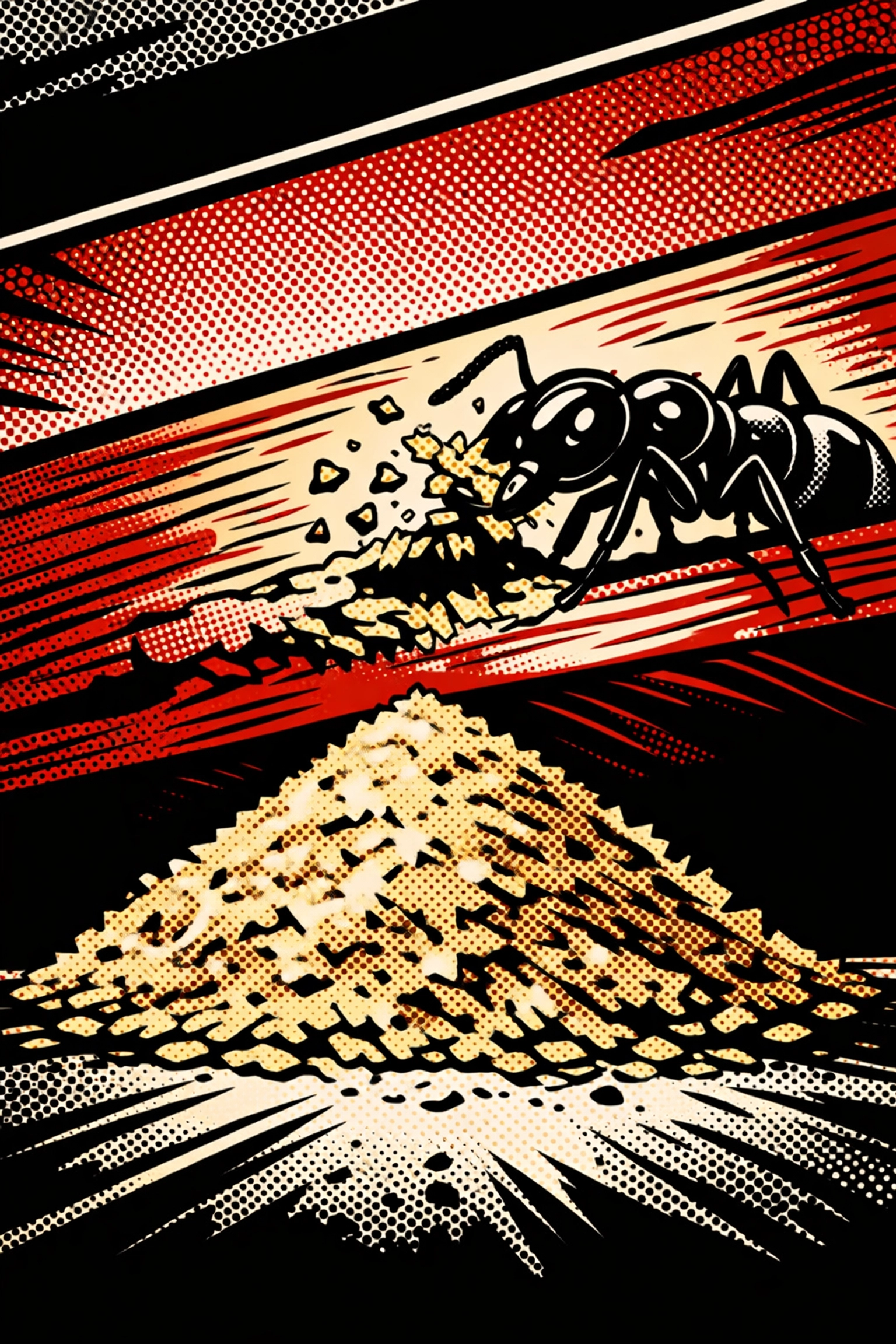
That sawdust you're seeing near your foundation isn't random. It's called frass, and it's the #1 warning sign that carpenter ants have moved into your home and started renovating.
Here's the deal: Carpenter ants don't eat wood like termites do. They chew through it to create tunnels and galleries for nesting, then they kick the debris out through tiny exit holes. Think of it like they're building highways inside your walls, and frass is the construction waste.
When I find frass piles near a foundation in Walker County, I know three things immediately:
The colony is mature. Worker ants don't start excavating until the nest is established and expanding.
They've moved past scouting. This isn't a random ant on your kitchen counter: this is a full infestation.
Structural damage is already happening. Those tunnels weaken wood over time, especially in load-bearing areas.
Frass looks like fine pencil shavings, and it can vary in size depending on what kind of wood they're chewing. Sometimes you'll see it mixed with tiny bits of insulation or dead ant parts. If you're seeing piles near your porch, deck posts, or along your home's foundation, you've got active carpenter ants inside your structure.
Why Jasper Homes Are Prime Targets
Walker County's humidity and older home stock create the perfect environment for carpenter ants. I've seen infestations in everything from historic homes near downtown Jasper to newer builds out in Carbon Hill.
Carpenter ants are drawn to softened or moisture-damaged wood: and let's be honest, with Alabama's summer storms and humidity, that's most of our crawl spaces, attic vents, and porch supports. Once they find an entry point (usually a crack in the foundation, a gap around a utility line, or a poorly sealed window frame), they move in and start excavating.
The scary part? You might not know they're there until you see frass. Unlike termites, carpenter ants are sneaky. They nest inside your walls, hollow doors, and window frames: places you can't see without pulling off drywall. By the time you notice sawdust on your porch, they've already been working for weeks or even months.
The Big Confusion: Carpenter Ants vs. Termites
I get asked this question all the time: "How do I know if it's carpenter ants or termites?"
Here's the quickest way to tell:
Termites leave behind mud tubes on your foundation and frass that looks like tiny pellets or sand.
Carpenter ants leave frass that looks like wood shavings, and you'll often see large black ants (about ½ inch long) crawling around nearby.
Both are bad news for your home's structure, but the treatment approach is completely different. That's why I always recommend a free inspection before you waste money on the wrong solution.
If you're seeing winged ants emerging from cracks in your walls or ceiling, that's an even bigger red flag. Those are reproductive ants: swarmers: which means the colony is mature enough to start satellite nests. At that point, you're not dealing with one infestation. You're dealing with multiple colonies spreading through your home.
And if you're thinking, "I'll just grab a can of Raid and call it a day": let me stop you right there.
Why DIY Sprays Make the Problem Worse
I've seen this play out a hundred times. Homeowner finds ants, grabs a spray can from Walmart, douses the area, and feels victorious. Two weeks later, the ants are back: but now they're in a different room.
Here's what actually happens when you spray carpenter ants with store-bought pesticides:
You kill the workers you can see, but you don't touch the queen or the colony deep inside your walls.
The surviving ants sense danger and relocate. Now instead of one nest near your foundation, they've moved into your attic or kitchen wall voids.
You've just made the infestation harder to track and treat professionally.
Carpenter ants are smart. When they feel threatened, they split up and create satellite colonies. That one frass pile near your porch? It could now turn into three or four hidden nests throughout your home: all because of a $6 spray can.
I'm not saying this to scare you. I'm saying it because I want you to save money and avoid months of frustration. Professional carpenter ant control isn't just about killing bugs: it's about finding the colony, eliminating it, and sealing off future entry points.
Our 3-Step Professional Process (And Why It Actually Works)
At Pest X, we don't guess. We use a targeted approach that's worked for hundreds of Jasper-area homeowners, and here's exactly what it looks like:
Step 1: Inspection and Colony Location
I don't just look for frass. I'm checking your entire home's exterior: foundation cracks, window seals, roof vents, attic spaces, crawl spaces, and any areas with water damage or wood rot. I'm also listening for faint rustling sounds inside walls, which is a telltale sign of an active nest.
Once I find the source, I map out the infestation and determine how many colonies we're dealing with. Some homes have one. Some have three or four satellite nests.
Step 2: Targeted Treatment
We use professional-grade products that are safe for kids and pets but deadly to carpenter ants. I'm not just spraying baseboards: I'm treating the nest directly using foam, dust, or liquid applications that penetrate wall voids and structural areas.
This step is critical because it eliminates the queen and the entire colony, not just the workers. It's the difference between a temporary fix and a permanent solution.
Step 3: Exclusion and Prevention
Here's where most exterminators stop: but we don't. After treatment, I seal up entry points, recommend moisture control solutions (like fixing leaky gutters or improving crawl space ventilation), and create a protective barrier around your home's perimeter.
We also apply a treatment around your foundation: our signature "3 feet up and 3 feet out" barrier: that stops carpenter ants (and other pests) from ever getting back inside.
This three-step process is why our customers in Walker County don't deal with repeat infestations. We don't just treat the symptom. We fix the root cause.
The Premium Solution: Total Home Protection
If you're dealing with carpenter ants, chances are you're also worried about termites. They cause similar damage, and honestly, most homeowners can't tell the difference until a professional inspects.
That's why we created the Healthy Home Premium Bundle: a $117/month plan that gives you complete protection against the three biggest threats to your Jasper home:
Termite control with an annual inspection and bond
Quarterly pest control (ants, roaches, spiders, and more)
Mosquito control for your yard
It's the "set it and forget it" solution for homeowners who want year-round peace of mind. You're not just protecting against carpenter ants: you're protecting your biggest investment from every angle.
And here's the best part: if you're already dealing with an active infestation, we handle that first as part of your setup. No guessing, no waiting, no hoping it goes away on its own.
What Happens If You Wait?
I've been doing this long enough to see what "I'll deal with it later" looks like. And it's not pretty.
Carpenter ant damage progresses in stages. By the time you're seeing frass, you're already in Stage Two. If left untreated, here's what Stage Four looks like:
Doors and windows that stick or won't close properly
Sloping or sagging floors
Bulging walls or sinking ceilings
Structural wood that's soft, crumbly, or hollow when tapped
I've walked into homes where the porch post was so hollowed out, I could push my finger through it. That's not something you want to discover when you're trying to sell your house or when a home inspector flags it during closing.
The good news? Catching it early: like right now, when you're seeing sawdust: means we can stop the damage before it becomes a five-figure repair bill.
Let's Get That Free Inspection Scheduled
If you're seeing sawdust near your foundation, hearing rustling in your walls, or spotting large black ants around your home, don't wait. Let me come out, do a thorough inspection, and give you a clear picture of what's happening.
We're local. We're fast. And we're honest: if it's not carpenter ants, I'll tell you exactly what it is and how to fix it.
Call Pest X today or visit our website to schedule your free carpenter ant inspection. Let's stop that sawdust pile from turning into a structural nightmare.
Comments