
Building a New Home in Walker or Winston County? Why Termite Pre-Treatment is Your First Defense
- Stephen Darnell
- Feb 1
- 6 min read

I've worked with dozens of new homeowners and builders across Walker and Winston County over the past decade, and I can't tell you how many times I've heard this: "I thought new homes didn't get termites." Here's the hard truth: termites don't care if your home was built yesterday or twenty years ago. If there's wood, they're interested.
Building a new home in Jasper, Haleyville, Double Springs, or anywhere in our Alabama counties is an exciting investment. But let me walk you through why termite pre-treatment during construction isn't just a good idea: it's your best line of defense and potentially the smartest money you'll spend on your new home.
Why Termites Target New Construction Just as Aggressively
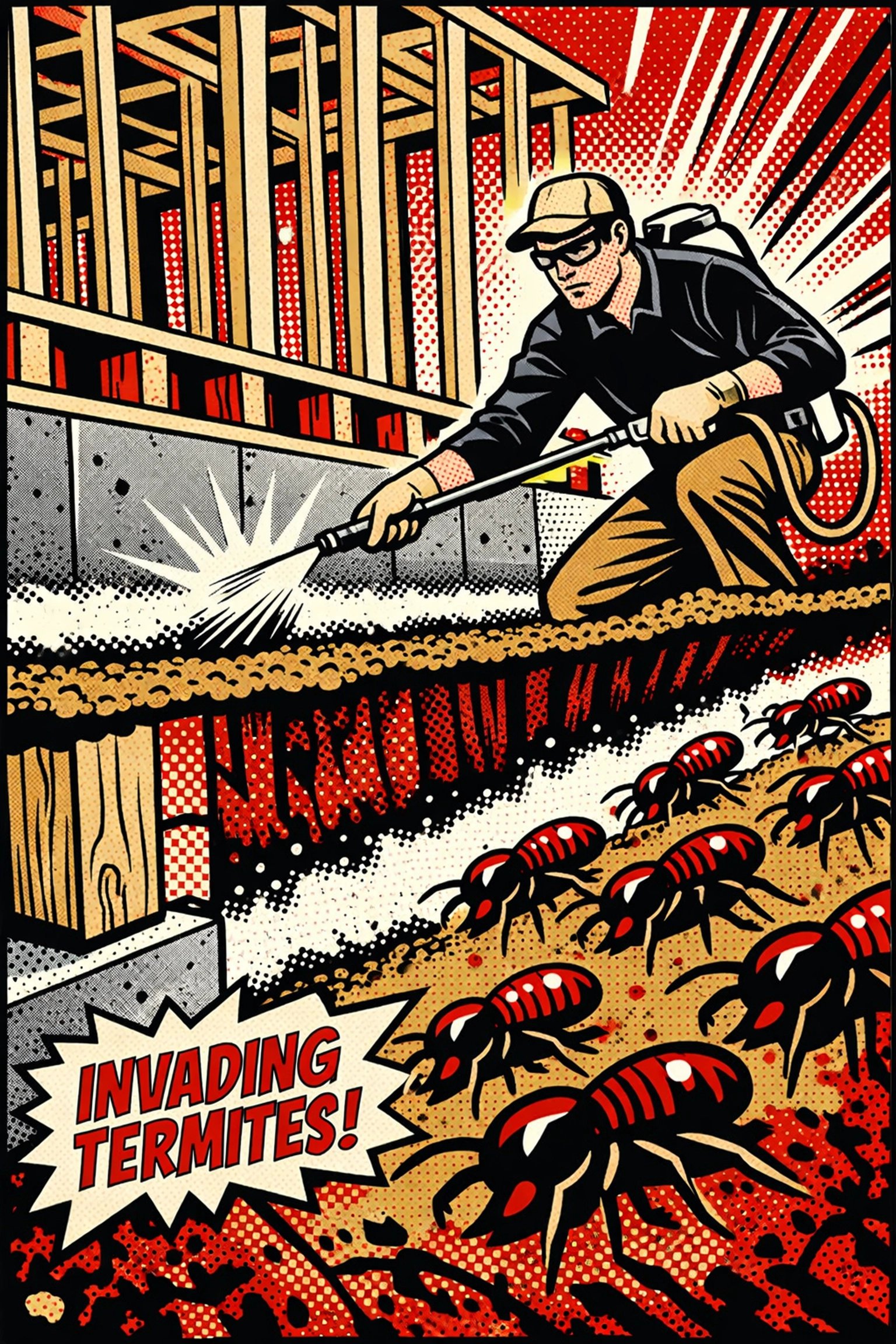
Let's get into the nitty-gritty. When you're breaking ground on that dream home in Walker County, you're creating exactly what termites love: fresh wood in contact with soil. The construction process actually creates multiple entry points that termites will exploit: pipe penetrations, concrete cracks, control joints, and crawl spaces.
I've seen brand-new homes in the Haleyville area with active termite damage within the first year because the builder skipped pre-treatment or didn't do it properly. These weren't cheap homes either. Termites are equal-opportunity destroyers.
Here's what makes pre-construction treatment so critical: you're protecting your investment at the stage when it's most cost-effective and least invasive. Once your home is built, treating for termites means drilling into your beautiful new foundation, potentially damaging landscaping, and dealing with a much more complicated (and expensive) process.
The Financial Reality: Insurance Won't Save You
One thing that surprises most new homeowners I work with in Winston County: standard homeowner's insurance doesn't cover termite damage. Even worse, some insurance companies may question coverage if you didn't take preventive measures during construction.
Think about it this way: you're investing hundreds of thousands of dollars in your new home. Termite pre-treatment during construction typically costs a fraction of what you'll pay for post-construction treatment, and it's nothing compared to the $3,000 to $10,000+ in structural repairs that termite damage can require.
I've treated homes in the Birmingham area where homeowners spent more fixing termite damage in their first five years than they would have spent on comprehensive pre-treatment and a termite bond combined. That's money that could have gone toward landscaping, furniture, or building equity.
What Actually Happens During Pre-Treatment
When I perform termite pre-treatment for new construction, I'm not just spraying some chemicals and calling it a day. Here's what comprehensive pre-treatment involves:
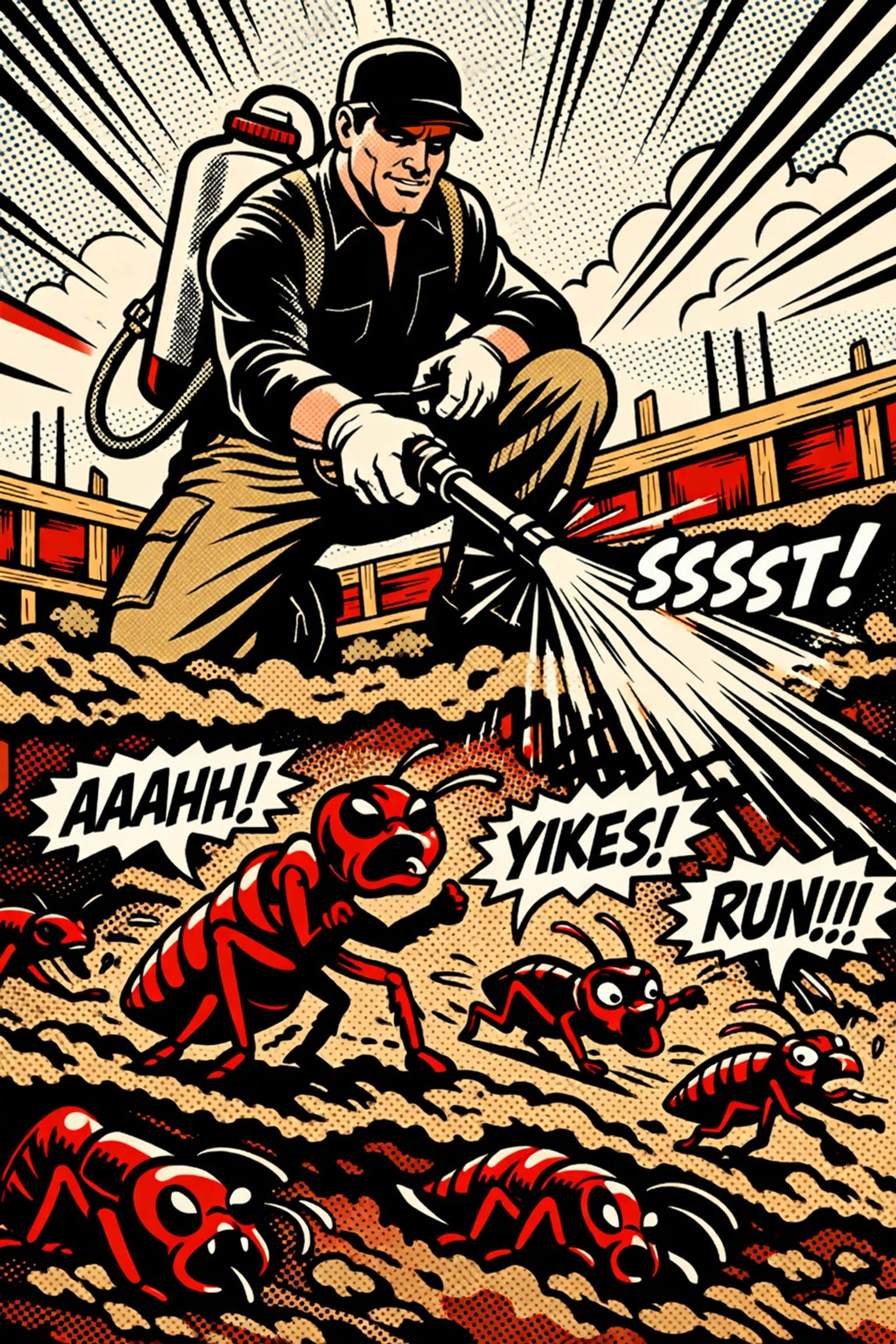
Soil Treatment: This is your primary defense. Before the foundation is poured, I apply termiticide to the soil across the entire footprint of your home. This creates a chemical barrier that termites can't cross. I pay special attention to areas where pipes will penetrate the foundation, future control joints, and anywhere concrete will meet soil.
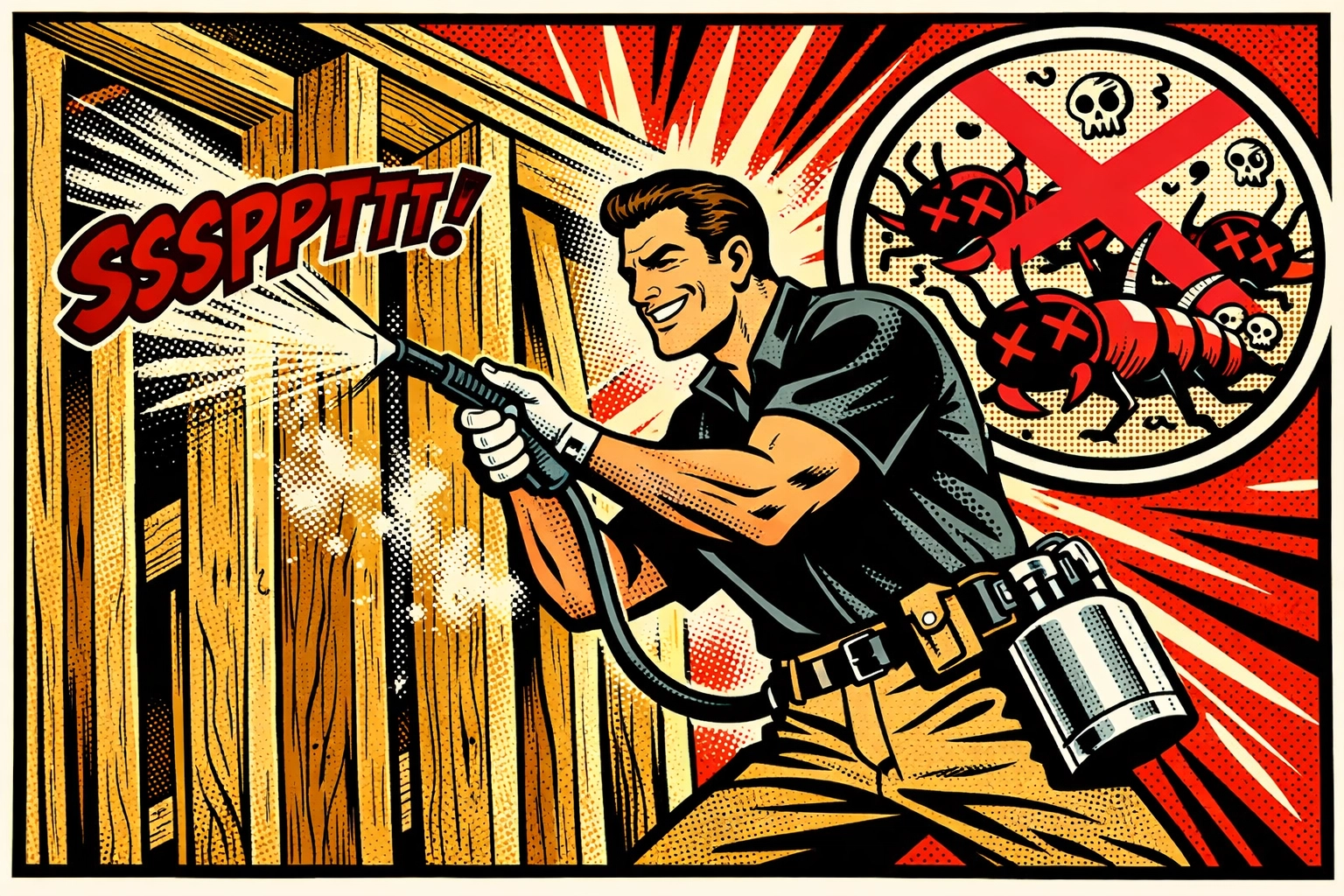
Wood Treatment: For framing lumber, I apply borate-based solutions. Borates are naturally occurring minerals that are toxic to termites but safe for you, your family, and your pets. Once applied, this protection lasts for the life of the wood as long as it stays dry.
Site Preparation: Before treatment even begins, I work with builders to ensure the site is properly prepared. That means removing any wood stumps, logs, or debris from beneath the building footprint. I also recommend replacing wooden grade stakes with metal or plastic alternatives: those wooden stakes can become highways for termites to bypass your foundation.

Alabama Building Codes: What You Need to Know
Here's something many new homeowners in Jasper don't realize: Alabama building codes require termite treatment as part of the construction process in our area. This isn't optional; it's mandated because termites are such a significant threat in our humid Alabama climate.
The Alabama Residential Building Code specifically addresses termite protection, and inspectors will check for proper treatment before signing off on new construction. However, not all pre-treatments are created equal. I've seen builders cut corners by using bargain pest control companies that don't apply treatment properly or use substandard materials.
As someone who's been doing this for over ten years in Walker and Winston County, I can tell you that proper application makes all the difference. The termiticide needs to be applied at the correct concentration, in the right locations, and at the appropriate stage of construction. Miss any of these details, and you're leaving gaps in your protection.
Why Local Expertise Actually Matters
I'm not just saying this because I run a family-owned business: local expertise genuinely makes a difference in termite pre-treatment. The termite species we deal with in Walker and Winston County, primarily Eastern Subterranean termites, behave differently than species in other parts of the country. Our soil composition, moisture levels, and climate all affect how treatments need to be applied.
National chains often send technicians who follow a one-size-fits-all playbook. But here in Jasper and Haleyville, we know that homes near creeks or in areas with high moisture (like around Smith Lake) need extra attention in certain areas. We understand that the red clay soil common in our region requires specific application techniques.
I've worked with local builders who trust Pest X because we understand the unique challenges of our area. We're not just checking boxes: we're protecting homes where our neighbors and friends will live.
The Pre-Treatment Timeline: When Things Need to Happen
Timing is crucial for effective termite pre-treatment. Here's how I typically work with builders:
Stage 1 - Site Preparation: Before any concrete is poured, I inspect the site to ensure all wood debris is removed and the ground is properly prepared.
Stage 2 - Pre-Pour Treatment: Once the ground is graded but before the slab is poured, I apply termiticide to the soil. This is your foundational protection, literally.
Stage 3 - Pre-Backfill Treatment: After the foundation walls are in place but before backfilling occurs, I treat the soil along the foundation perimeter.
Stage 4 - Wood Treatment: As framing progresses, I apply borate treatments to lumber before it's enclosed by walls or roofing.
Stage 5 - Final Perimeter Treatment: Once the home is substantially complete, I do a final exterior perimeter treatment to ensure complete protection.
Skipping any of these stages creates vulnerabilities. I've had builders try to rush the process, and it always comes back to haunt them: and worse, the homeowner who bought the property.
Beyond Pre-Treatment: Long-Term Protection
Here's something else I always discuss with new homeowners in the Birmingham and Walker County areas: pre-treatment is your first line of defense, but it's not a lifetime guarantee on its own. That's where termite bonds come in.
After your home is complete, a termite bond provides ongoing protection through regular inspections and re-treatment if needed. At Pest X, we offer affordable termite bonds that include annual inspections and guaranteed re-treatment if termites are found. It's the one-two punch that keeps your investment protected.
Some homeowners ask why they need a bond if they had pre-treatment. Think of it this way: pre-treatment is incredibly effective, but termiticides do break down over time, and Alabama's climate means termite pressure is constant. A termite bond ensures you're not just protected today: you're protected for as long as you own your home.
Working with Builders: What to Ask For
If you're working with a builder in Jasper, Haleyville, or Double Springs, here's what you should ask about their termite pre-treatment:
Who's performing the treatment? Get a name and verify they're licensed.
What products are being used? Quality termiticides matter.
What's included in the treatment? Make sure all stages I mentioned above are covered.
Will you receive treatment documentation? You'll need this for future termite bonds.
What guarantees come with the treatment?
Don't be shy about asking these questions. Builders who are confident in their pest control partner will have clear answers. If they're evasive or dismissive, that's a red flag.
The Pest X Difference: Local, Affordable, Reliable
I've built Pest X's reputation in Walker and Winston County on three principles: local expertise, affordable pricing, and guaranteed protection. We're not a national chain with rotating technicians: we're your neighbors, and we'll be here when you need us.
Our termite pre-treatment service includes everything I've outlined above, performed according to Alabama building codes and backed by over ten years of experience in our specific area. We work closely with local builders, and we're available to answer your questions throughout the construction process.
After pre-treatment, we offer affordable termite bonds that include annual inspections and guaranteed re-treatment. We also offer our Healthy Home Premium Plan that bundles termite control, pest control, and mosquito control for $117/month: comprehensive protection for your entire property.
Your Next Steps
If you're building a new home in Walker or Winston County, don't leave termite protection to chance. Whether you're a homeowner managing your own construction or a builder looking for a reliable pest control partner, Pest X has the local expertise and proven track record you need.
Give us a call or contact us through our website to discuss pre-treatment options for your new construction project. I'm happy to walk you through the process, provide a detailed quote, and answer any questions you have about protecting your investment.
Building a home is one of life's biggest investments. Make sure it's protected from day one with proper termite pre-treatment. Your future self: and your bank account( will thank you.)
Comments