
Step 3: Eliminate Food Sources and Master Cleanliness
Now let's talk about what draws rodents to your home in the first place, food. Even if you seal every possible entry point, if you're providing an easy meal, determined rodents will find a way in. I've learned that controlling food sources is often the difference between a successful rodent-proofing job and a callback two months later.
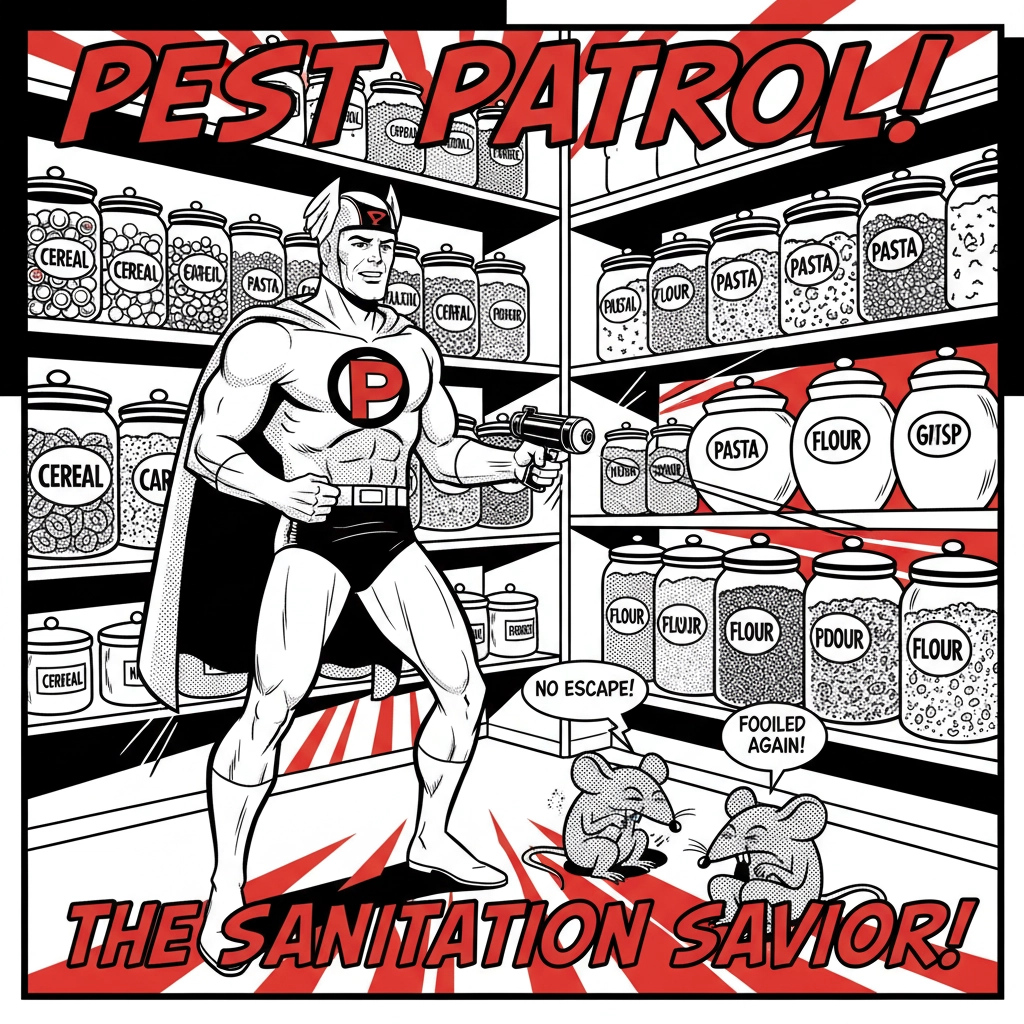
Start in your kitchen and pantry. Everything, and I mean everything, should be stored in airtight containers. Those cardboard cereal boxes and paper flour bags are basically rodent snack packaging. Invest in good glass or heavy plastic containers with tight-fitting lids.
Pet food is a huge attractant that many homeowners overlook. Store dog and cat food in sealed containers, and don't leave food bowls out overnight. If you feed pets outside, clean up any spilled food immediately and bring bowls in after feeding time.
Your garbage situation needs attention too. Make sure your outdoor garbage cans have tight-fitting lids and are stored away from your house when possible. Clean up any spills around the cans regularly, even small food scraps can attract rodents from impressive distances.
Here's something I always share with my Gardendale clients: fruit trees and bird feeders can be major attractants. If you have fruit trees, clean up fallen fruit regularly. If you have bird feeders, consider removing them during winter months or at least clean up spilled seed daily.
Inside your house, maintain strict cleanliness standards. Wipe down counters after cooking, sweep floors regularly, and don't leave dirty dishes in the sink overnight. It might seem excessive, but rodents can survive on surprisingly small amounts of food, even crumbs you can't see.
Step 4: Control Moisture and Eliminate Hiding Spots
Rodents need three things to survive: food, water, and shelter. We've tackled food, now let's eliminate their water sources and hiding spots. I've found that controlling moisture is often the key to long-term success in rodent prevention.
Start with any plumbing leaks, even small drips can provide enough water for a rodent family. Check under sinks, around water heaters, and anywhere you have plumbing. Fix leaks immediately, and consider installing a dehumidifier in damp areas like basements and crawl spaces.
Outside, address drainage issues around your foundation. Water pooling against your house creates the perfect environment for all sorts of pests, not just rodents. Make sure your gutters are clean and functioning properly, and that downspouts direct water well away from your foundation.
Now let's talk about eliminating hiding spots. Walk around your property and look at it from a rodent's perspective. Brush piles, leaf accumulations, stacked firewood against your house, and cluttered storage areas all provide perfect nesting spots and protection from predators.
Here's my rule for firewood: store it at least 20 feet from your house and 5 inches off the ground. I know that's not always convenient, but I've seen too many rodent problems that started with wood piles against the house. When you bring wood inside, inspect each piece for signs of pests.
Inside your home, reduce clutter wherever possible. Basements, garages, and storage rooms filled with boxes and unused items create perfect rodent habitat. If you must store items, use plastic bins with tight lids instead of cardboard boxes, and keep storage areas organized so you can easily spot signs of rodent activity.
Step 5: Schedule Professional Assessment and Ongoing Maintenance
Here's where I'm going to be completely honest with you: even after following all these steps perfectly, there's value in having a professional assessment. I've been doing this for years, and I still learn new things about how rodents behave and adapt.
A professional inspection can identify potential problems you might miss. We know exactly what signs to look for: from subtle rub marks along walls to droppings that look like coffee grounds. We can also assess your specific situation and recommend solutions based on your home's unique characteristics and the pest pressure in your area.
But here's what I really want you to understand: rodent-proofing isn't a one-and-done deal. It's an ongoing process. Weather changes, your house settles, materials deteriorate, and new vulnerabilities appear. I recommend reassessing your rodent-proofing measures at least twice a year: once before winter and once in early spring.
Keep a maintenance schedule. Check your seals and weatherproofing every few months. Look for new gaps or damage. Stay on top of yard maintenance and cleanliness. The small amount of time you invest in prevention will save you enormous headaches and expenses down the road.
At Pest X, we've helped countless Alabama families protect their homes from winter rodent invasions. Our comprehensive approach goes beyond just setting traps: we focus on prevention and long-term solutions. If you'd like professional help implementing these steps or want an expert assessment of your home's vulnerabilities, I'd be happy to help.
Don't wait until you see the first signs of rodents to take action. The time to rodent-proof your home is right now, before winter really sets in. These five steps have kept thousands of Alabama homes rodent-free, and they'll work for you too.
Ready to protect your home this winter? Contact us today for a comprehensive assessment, or learn more about our pest control services that keep Alabama families safe and comfortable year-round.